Species

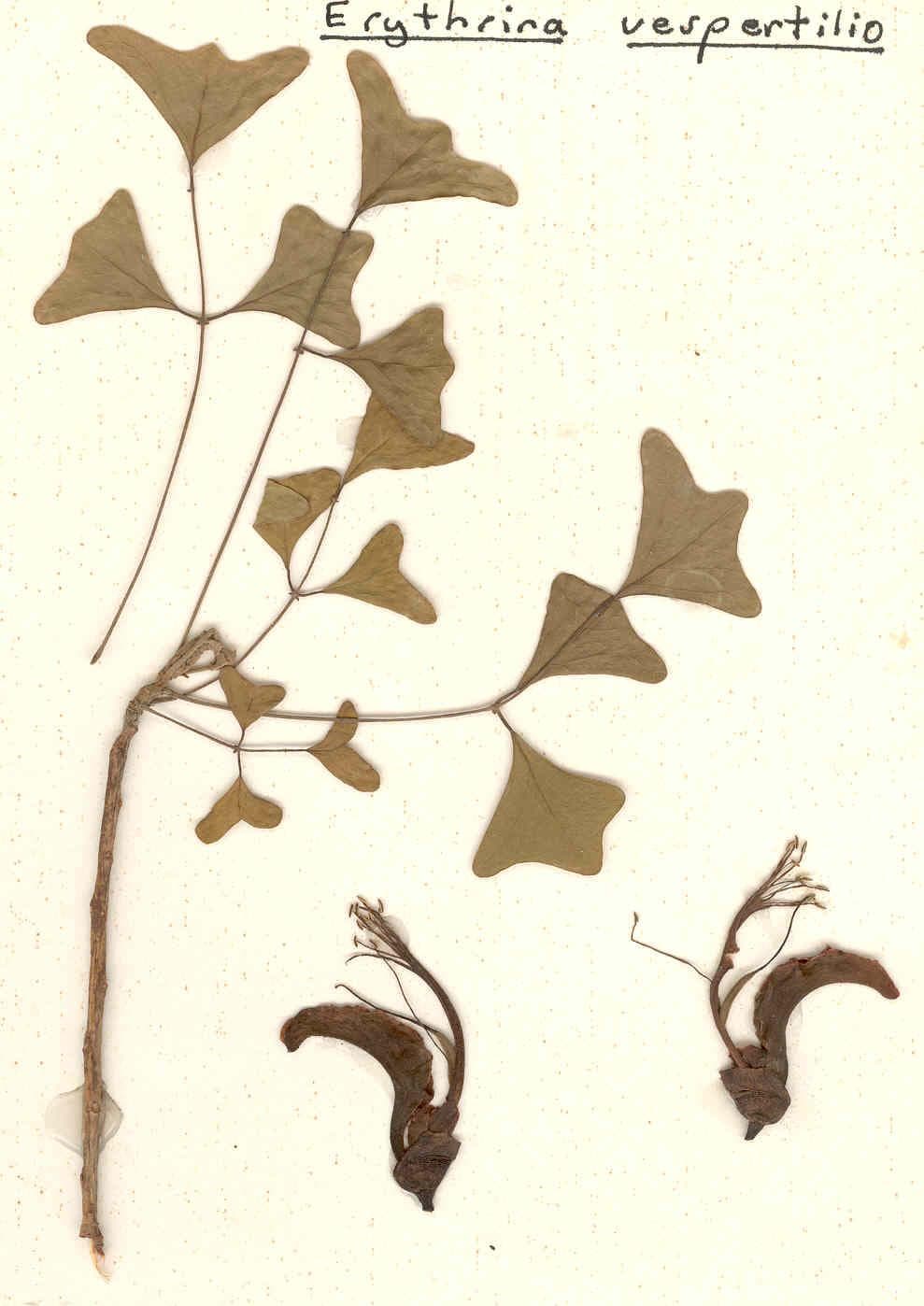
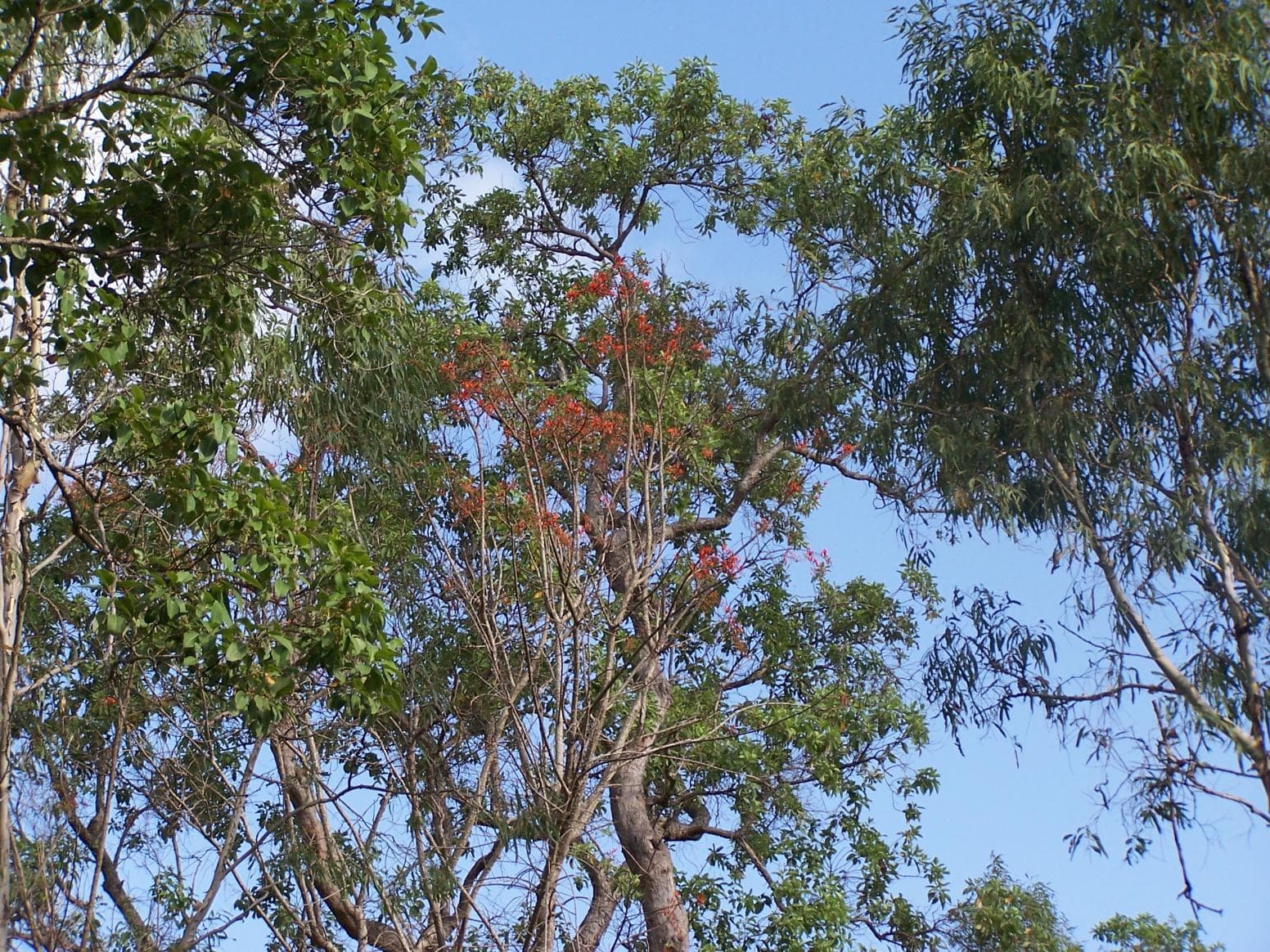
Erythrina vespertillio

Bat's-wing Coral Tree, Brake-block Tree

Description:

Native to WA, NT and Qld. Often featured in aboriginal mythology. Wood used as brake blocks on carts by early settlers. Discover Nature - JCU
Observations

Observation

Observation on iNaturalist: 28933804

Date: 10/12/2006

Location: Hervey Range

Observation

Observation on iNaturalist: 28933804

Date: 10/12/2006

Location: Hervey Range

Observation

Observation on iNaturalist: 28933804

Date: 10/12/2006

Location: Hervey Range

Observation

Date: 26/01/2019

Location: Woodstock

Observation

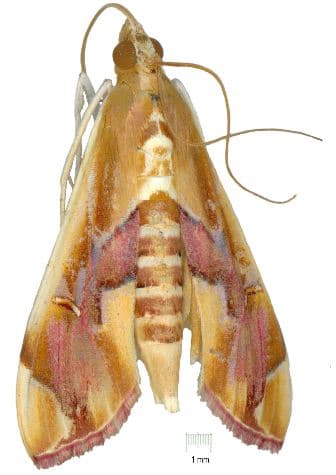
Erythrina have their own moth, Agathodes ostentalis (Crambidae) the larva of which feed on the young foliage.

Observation

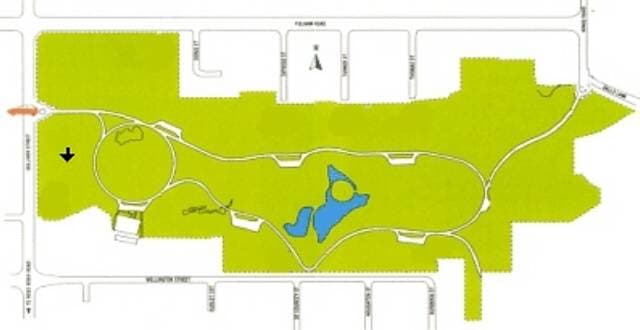
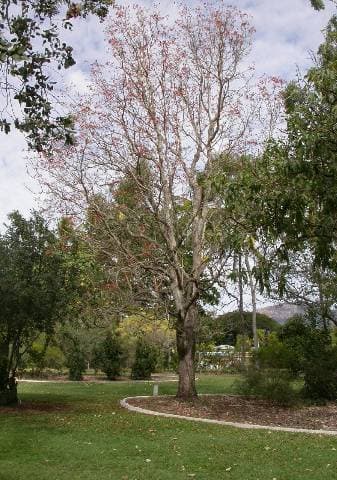
Anderson Gardens

Observation

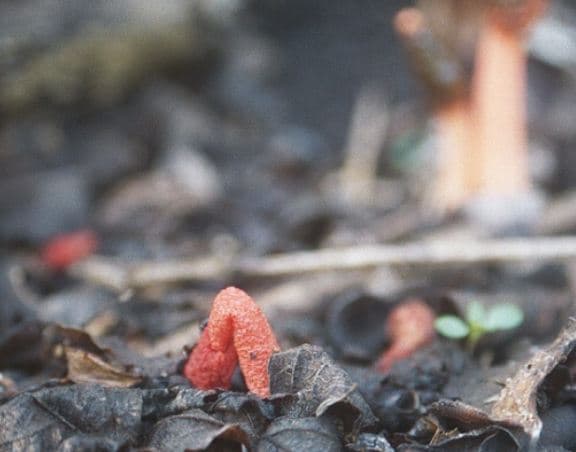
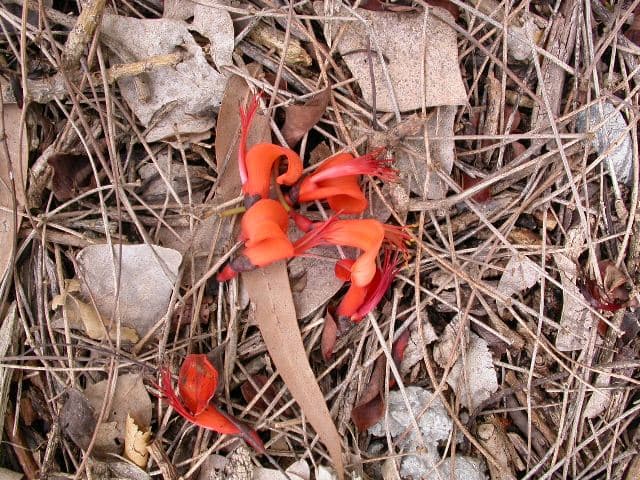
which looks like the fallen flowers when drying out. See below.

Observation

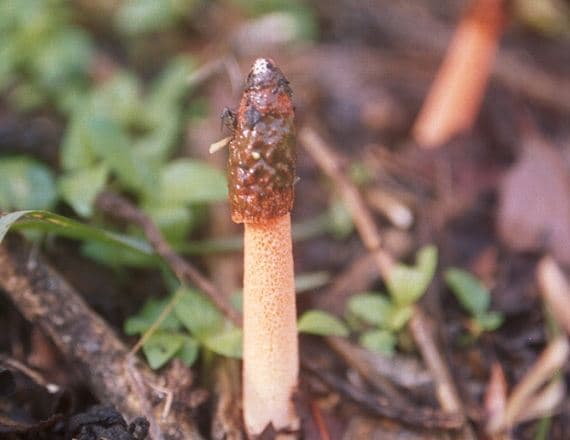
Phallus rubicundus. I've found this fungi under Erythrina trees.

Observation

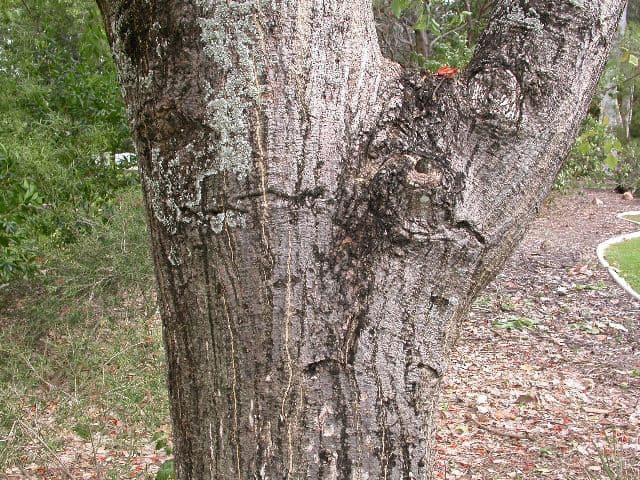
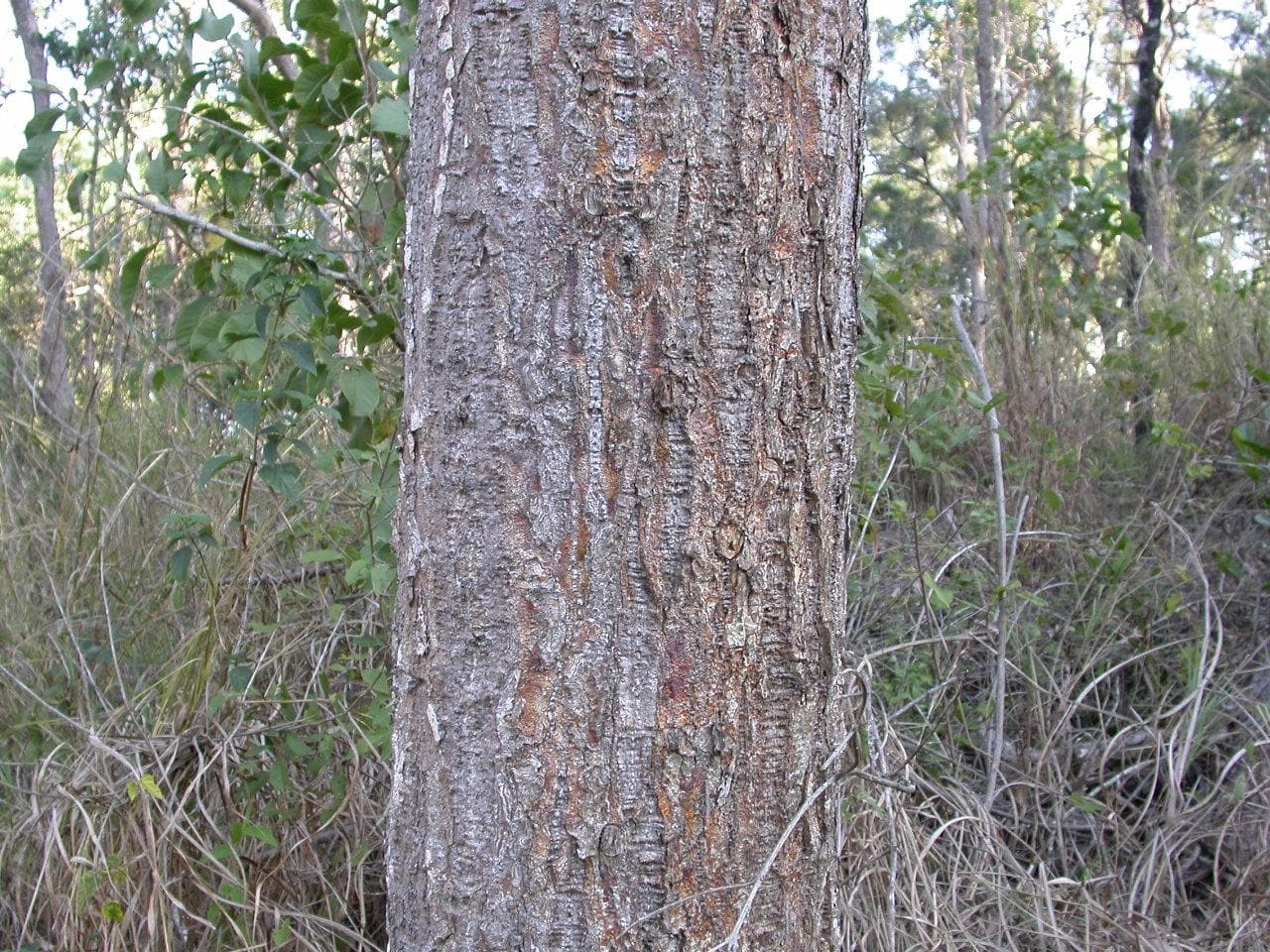
Bark

Observation

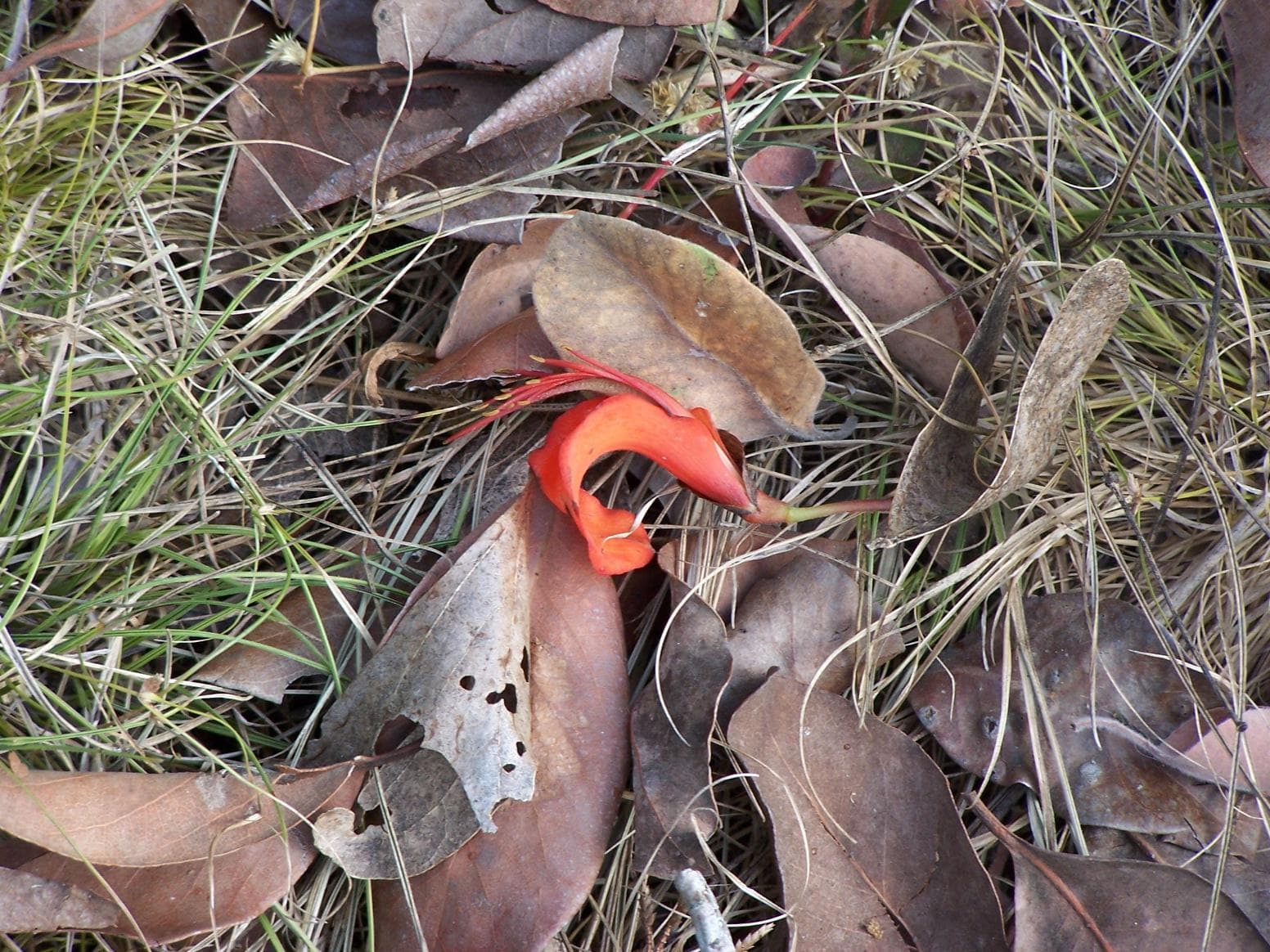
Flowers

Observation

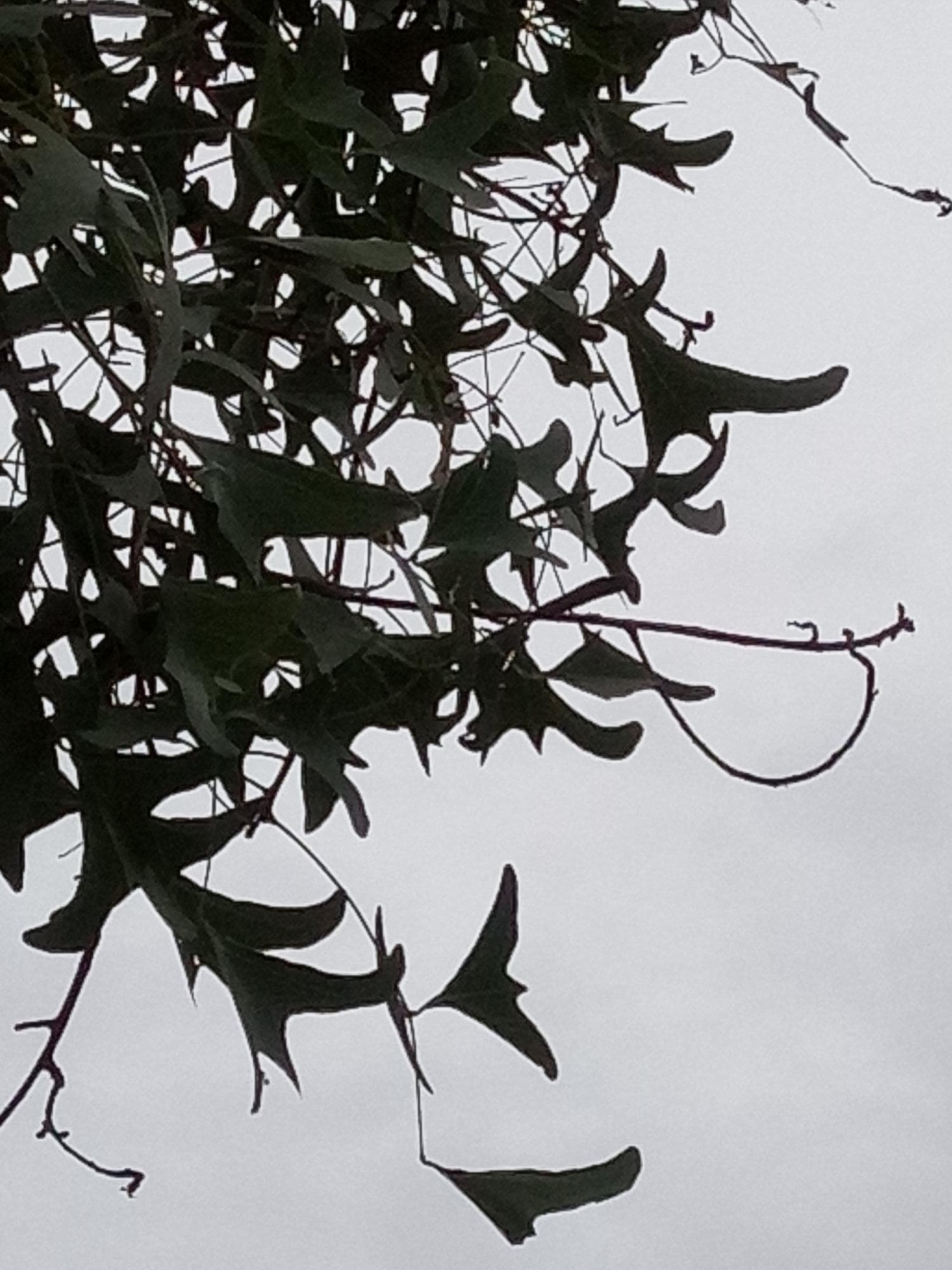
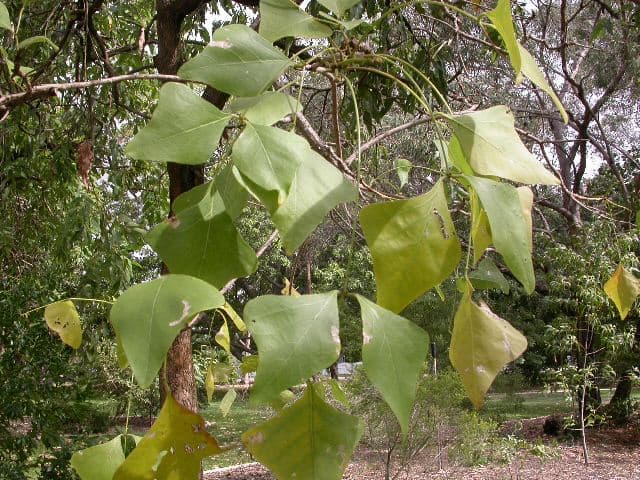
Leaves have a distinctive shape.

Observation
Observation

Observation on iNaturalist: 28933804

Date: 10/12/2006

Location: Hervey Range


I had thought that there could be some association between the fungi and the tree because of the colour match of the fallen flowers and the fungal fruiting body. Nigel informs me the colour is purely circumstantial.

Thanks to Nigel Fechner Botanist Queensland HerbariumThe fungus is Phallus rubicundus, or stinkhorn fungus. Normally the red tip is brown/olive-brown and covered in ooze. This brown ooze is actually the spore mass, and it stinks like rotting meat. This is no accident. That smell attracts blow flies, often in huge numbers (the tip can be stripped back to the naked red feature you see in a matter of hours). The flies dance around on the ooze, picking up spores on their feet in the process. They then fly away and disperse the spores elsewhere. These fungi commonly emerge after a decent shower of rain, in fairly fresh litter/humus/compost. The fungus itself is a wood-rotting fungus.